Common Causes of Power Trips in Commercial Buildings and How to Prevent Them
Introduction
Power trips are a common issue in commercial and industrial buildings, and they can lead to operational disruption, equipment damage and safety concerns.
Understanding the causes of power trips can help building owners and facility managers take preventive action and maintain system reliability.
What Is a Power Trip?
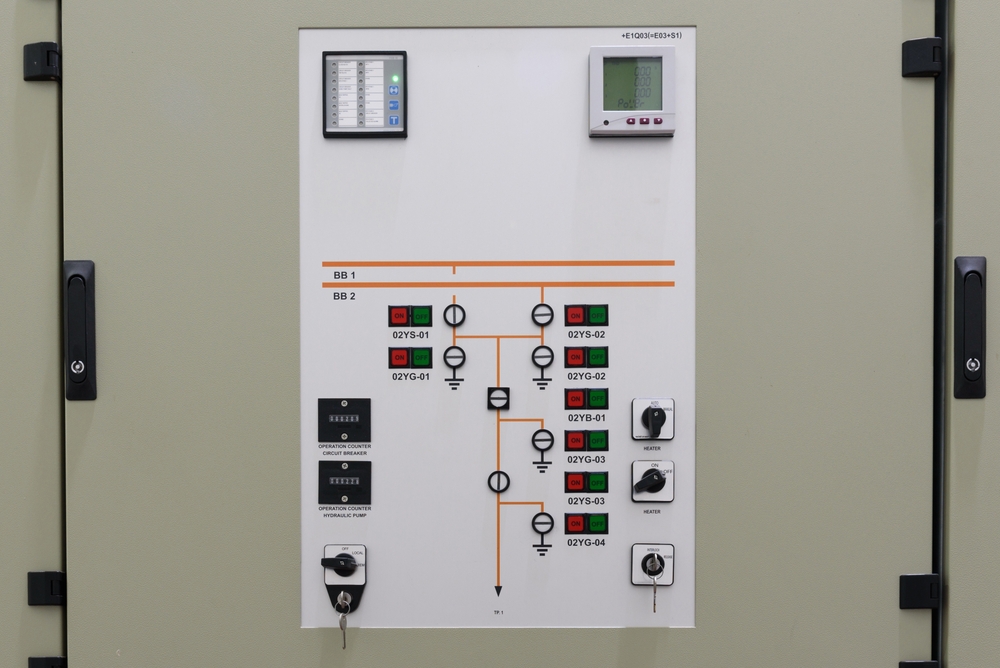
A power trip occurs when a protective device, such as a circuit breaker, automatically disconnects the electrical supply due to abnormal conditions.
This is a safety mechanism designed to prevent damage to equipment and reduce risk.
Common Causes of Power Trips
1. Overloaded Circuits
When electrical load exceeds system capacity, the circuit breaker may trip to prevent overheating.
2. Faulty Equipment
Defective or malfunctioning equipment can cause abnormal current flow, leading to frequent trips.
3. Short Circuits
Damaged cables or wiring faults can result in short circuits, causing immediate tripping.
4. Earth Leakage
Leakage current to ground can trigger protective devices, especially in sensitive systems.
5. Loose or Deteriorated Connections
Poor connections can cause overheating and instability, leading to intermittent tripping.
How to Prevent Power Trips
1. Regular Inspection and Maintenance
Routine inspection helps identify potential issues before they lead to system failure.
2. Proper Load Management
Ensure that electrical systems are not overloaded and are designed to handle actual demand.
3. Thermal Scanning (Thermography)
Infrared thermography can detect overheating components early.
4. Scheduled Shutdown Maintenance
Shutdown allows for tightening, cleaning and replacement of faulty components.
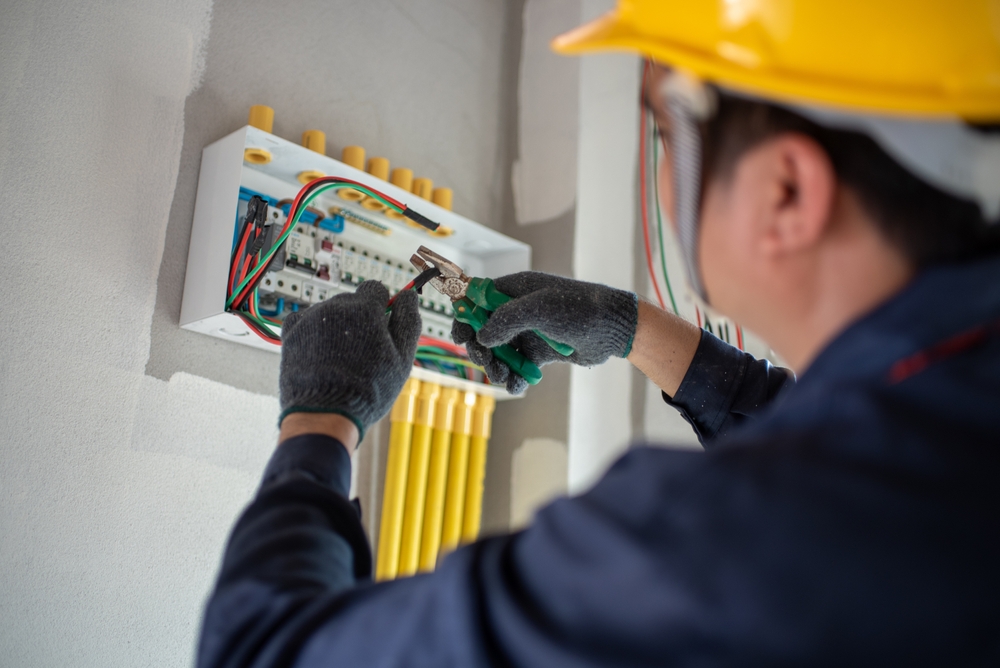
5. Engage Qualified Professionals
Complex issues should be handled by qualified personnel, including LEW where required.
When Should You Take Action?
Frequent or repeated power trips should not be ignored.
Early investigation can prevent:
Equipment damage
Unexpected downtime
Safety risks
Conclusion
Power trips are often a sign of underlying electrical issues.
With proper maintenance, inspection and system management, these issues can be identified early and resolved before they affect operations.